July 2, 2026
Outdoor living spaces have emerged as a significant aspect of residential design, reflecting broader lifestyle changes and a growing desire to connect with nature. This trend witnesses a blend of architectural innovation and environmental consciousness, driven by the need for relaxation and recreation spaces outside the confines of traditional indoor areas. As modern life becomes increasingly hectic and urbanized, incorporating outdoor retreat spaces offers an escape and benefits that resonate with the demands of a healthier, more balanced lifestyle. The rise in popularity is not only about aesthetics but also considers psychological well-being, community engagement, and economic value. This article explores the evolution, impact, and future directions of outdoor living spaces in residential architecture.
1. Historical Context of Outdoor Living Spaces
1.1. Traditional Uses of Outdoor Spaces
Historically, outdoor spaces have served as extensions of domestic life, providing areas for cooking, socializing, and relaxation. In many cultures, courtyards and gardens were integral to domestic architecture, often reflecting a blend of functionality and aesthetic appeal. Whether it was Roman atria or Japanese Zen gardens, outdoor spaces have long afforded places for contemplation and community gatherings. Traditional uses were largely dictated by local climate, available materials, and cultural customs, each influencing the design and utilization of outdoor areas. These spaces often mirrored the lifestyle and social status of their inhabitants, demonstrating a continuum between daily life and recreational pursuits.
1.2. Evolution of Landscape Architecture
Landscape architecture as a formal discipline evolved from these traditional practices, incorporating scientific approaches and advanced design techniques. Historically, landscape architects sought to harmonize the natural and built environments, creating spaces that are both functional and picturesque. The evolution saw an increasing focus on sustainability, biodiversity, and ecological balance, emphasizing the duality of landscape as both an art form and a science. Influential figures such as Frederick Law Olmsted and Gertrude Jekyll contributed significantly to expanding the role of landscape architecture in urban planning and residential design. Their work established foundational principles that continue to influence contemporary landscape practices worldwide.
1.3. Influences of Cultural Shifts
Cultural shifts, notably during the 20th century, significantly influenced residential outdoor design, reflecting broader societal changes. Post-war suburbanization in North America, for instance, sparked a boom in dedicated backyard leisure spaces, such as patios and swimming pools. Similarly, the environmental movement of the 1960s and 1970s instilled a greater awareness of ecological issues, prompting homeowners to cultivate sustainable and wildlife-friendly environments. Cultural shifts also saw a greater emphasis on personal and lifestyle expression through garden design and outdoor architecture. In an increasingly globalized world, cross-cultural influences have also played a role in diversifying the styles and uses of outdoor spaces.
1.4. Emergence of Indoor-Outdoor Living
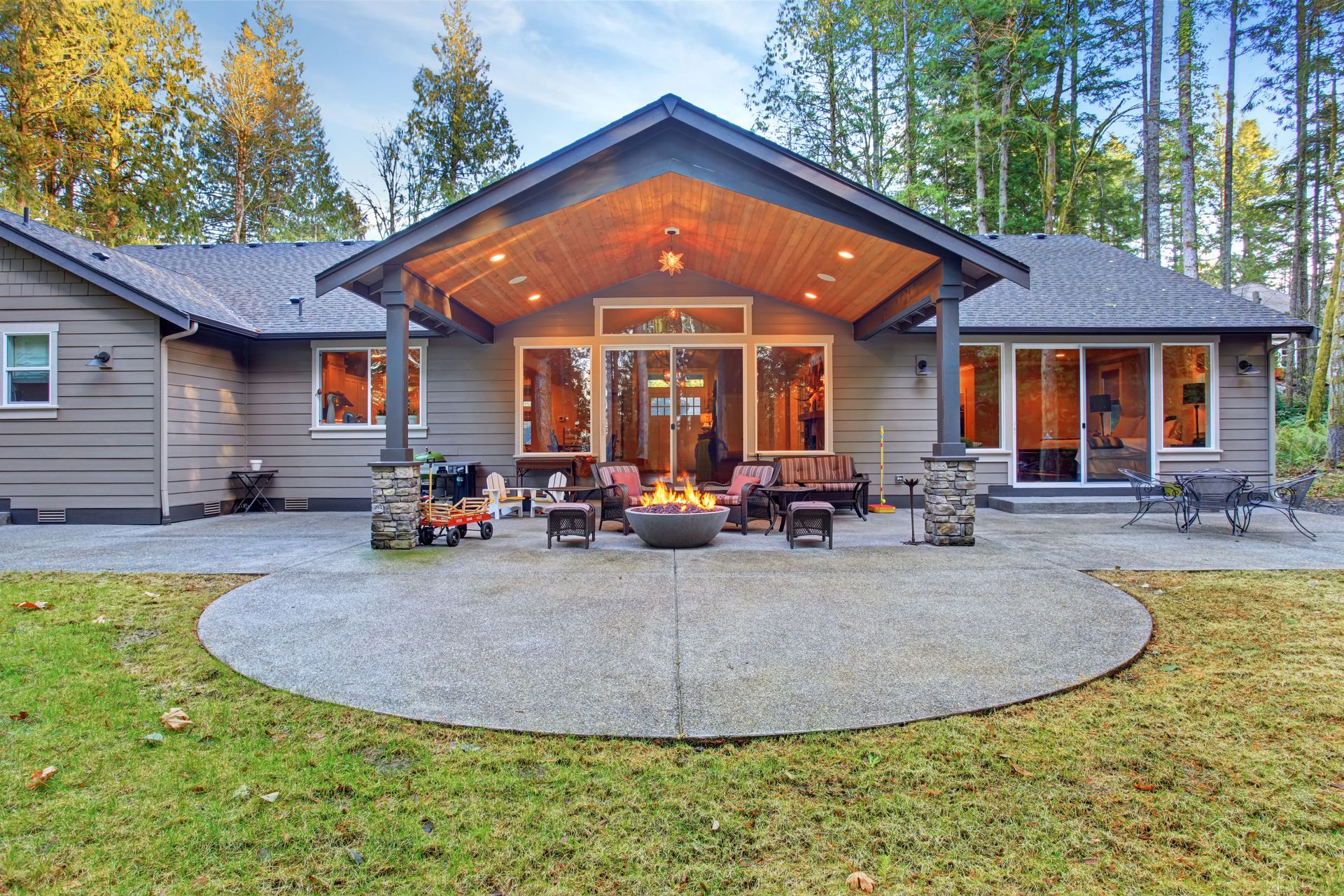
In recent decades, there has been a notable trend toward blending indoor and outdoor living areas, creating seamless transitions between the two. This approach is largely influenced by a desire to maximize living space and encourage a lifestyle that incorporates both interior comfort and the beauty of nature. Factors such as advancements in materials technology and climate-responsive design have facilitated this integration, allowing for greater architectural flexibility. The seamless indoor-outdoor living concept is not only about openness but also about creating a harmonious flow in aesthetic and functional use. According to EBD Studios, 78% of industry experts identified seamless indoor-outdoor transitions as the biggest trend of 2024, underscoring its growing significance.
2. The Psychological and Health Benefits
2.1. Connection with Nature
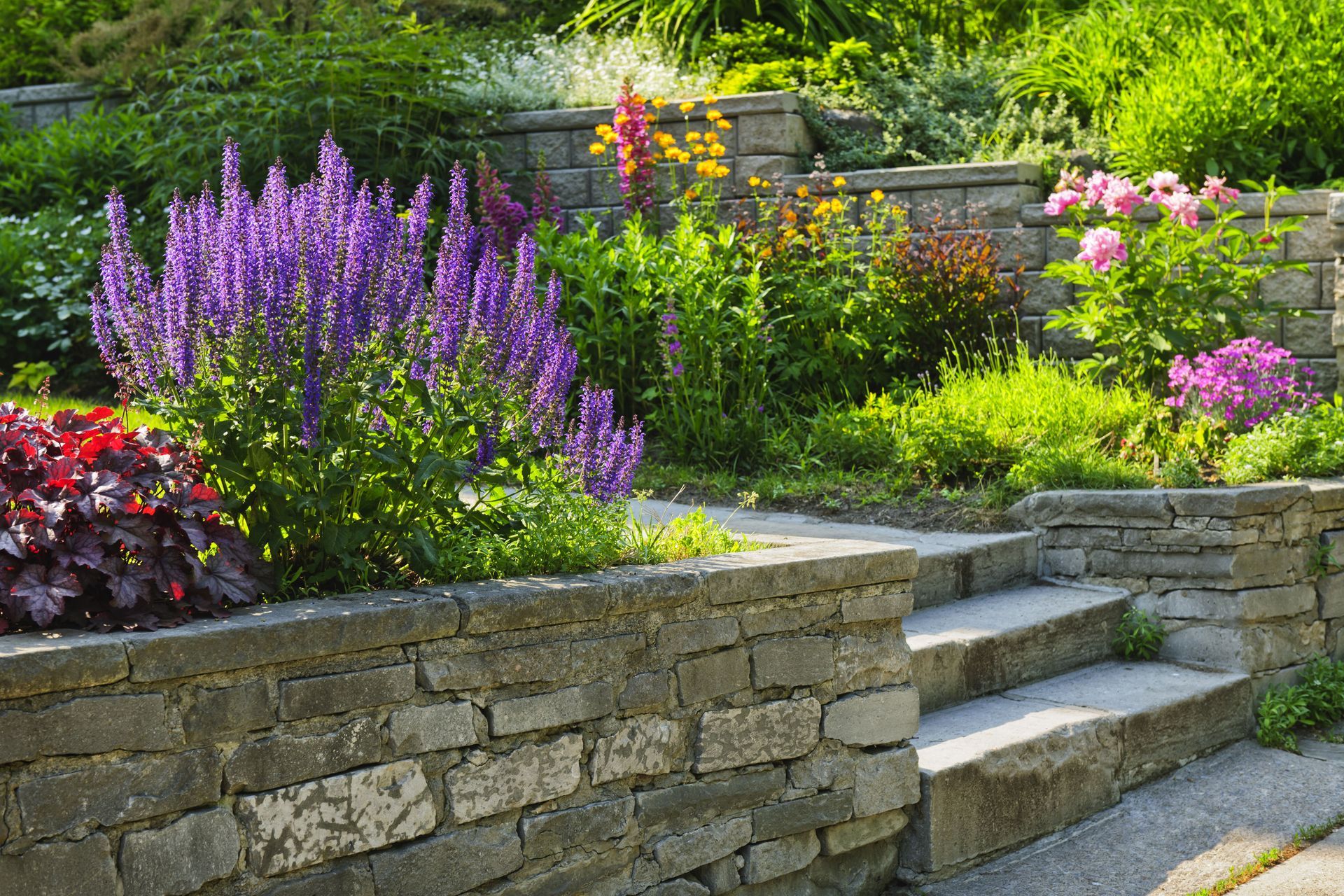
Spending time in nature has long been recognized for its restorative effects on mental health and well-being. Outdoor living spaces provide a daily opportunity for connecting with nature, reducing the barriers typically created by urban living. Whether through a simple garden or a complex landscape, these spaces invite residents to engage with natural elements, fostering a sense of peace and belonging. Plant life, water features, and open sky become tools for promoting mindfulness and reducing stress. This connection is particularly vital in today’s technology-heavy world, offering a natural antidote to digital fatigue.
2.2. Stress Reduction and Mental Health
Research consistently supports the idea that interaction with nature can significantly reduce stress levels and improve mental health outcomes. Green spaces have been shown to lower cortisol levels and promote relaxation, essential benefits for maintaining balanced psychological health. Outdoor living spaces offer a unique sanctuary for meditation, exercise, or simply unwinding after a long day, contributing to a holistic approach to mental health care. With urban density leading to smaller indoor spaces, outdoor areas provide vital breathing room for mental reprieve. Additionally, gardens and natural settings support cognitive function and emotional resilience, crucial aspects in the fast-paced modern lifestyle.
2.3. Physical Health Advantages
Besides psychological benefits, outdoor living spaces also promote physical health through encouraging activities like gardening, yoga, or sports. Such spaces are conducive to regular exercise, an essential component of a healthy lifestyle. The act of gardening, for example, is not only a form of moderate physical exercise but also encourages healthy eating habits and provides a sense of accomplishment. Sun exposure, when managed properly, benefits vitamin D levels, important for bone health and immune function. By offering a space for active play or exercise, outdoor areas contribute directly to reducing sedentary behavior among residents.
3. Design Elements of Modern Outdoor Living Spaces
3.1. Integration of Architectural Styles
Modern outdoor living spaces are characterized by their ability to seamlessly incorporate various architectural styles. Designers blend traditional and contemporary elements, ensuring that the outdoor areas reflect the overall aesthetic of the residence. This integration extends to the use of motifs, materials, and color palettes that provide visual harmony and continuity between indoor and outdoor environments. It allows for versatility and personalized expression, accommodating diverse tastes and preferences. As global influences blend, cross-cultural elements are increasingly evident in residential designs, whether through minimalistic Zen gardens or vibrant Mediterranean patios.
3.2. Material Selection and Sustainability
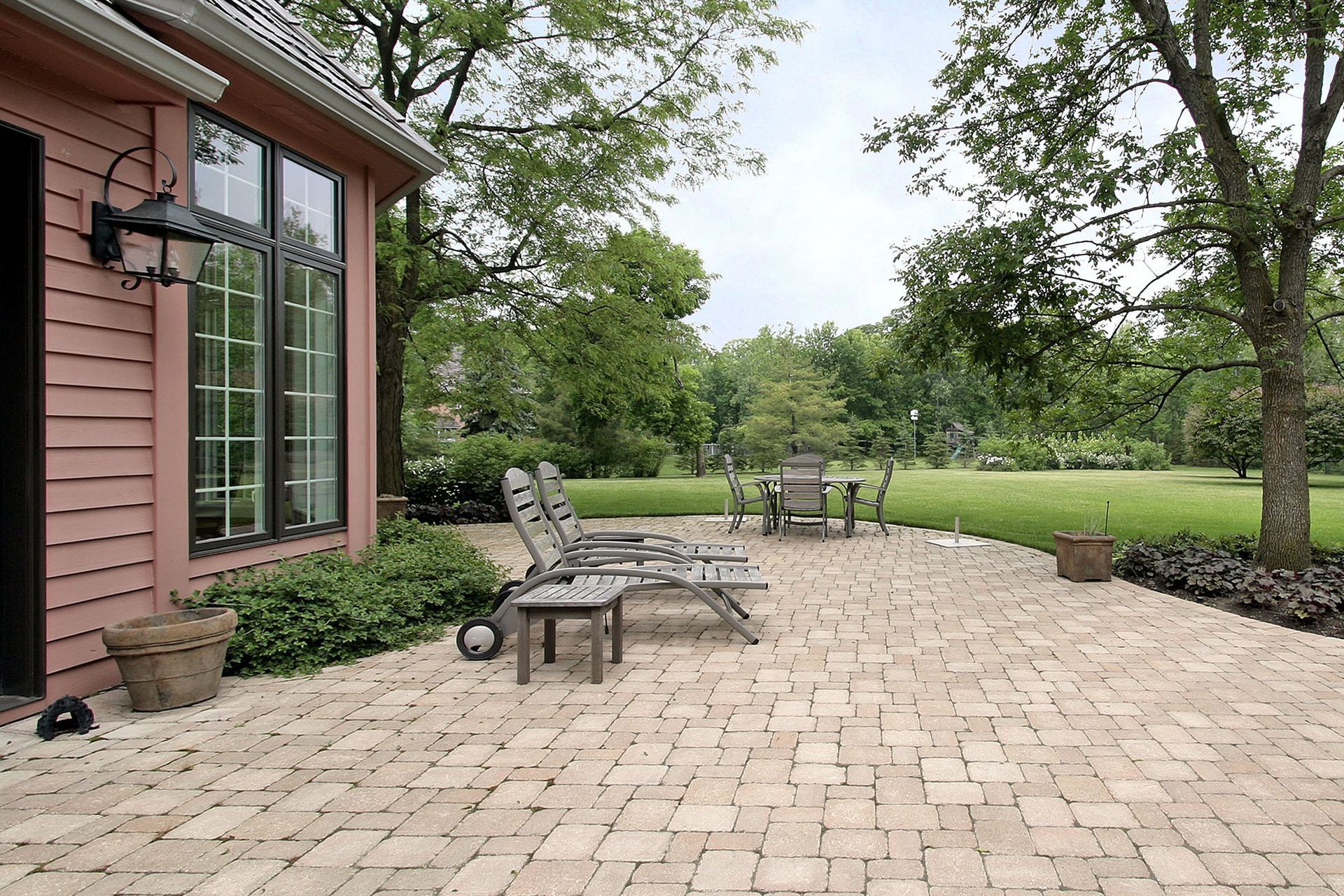
The selection of materials in outdoor living design plays a critical role in sustainability and environmental impact. Modern designs prioritize sustainable materials that offer durability and aesthetic appeal, such as recycled wood, composite decking, and eco-friendly stones. Material choice not only contributes to a lower carbon footprint but also enhances the longevity and maintenance efficiency of the space. Designers increasingly incorporate local materials to minimize environmental impact and support local economies, fostering a sustainable design ethos. This approach aligns with the growing consumer demand for eco-conscious lifestyle choices, reflecting a commitment to preserving natural resources.
3.3. Furniture and Decor Trend
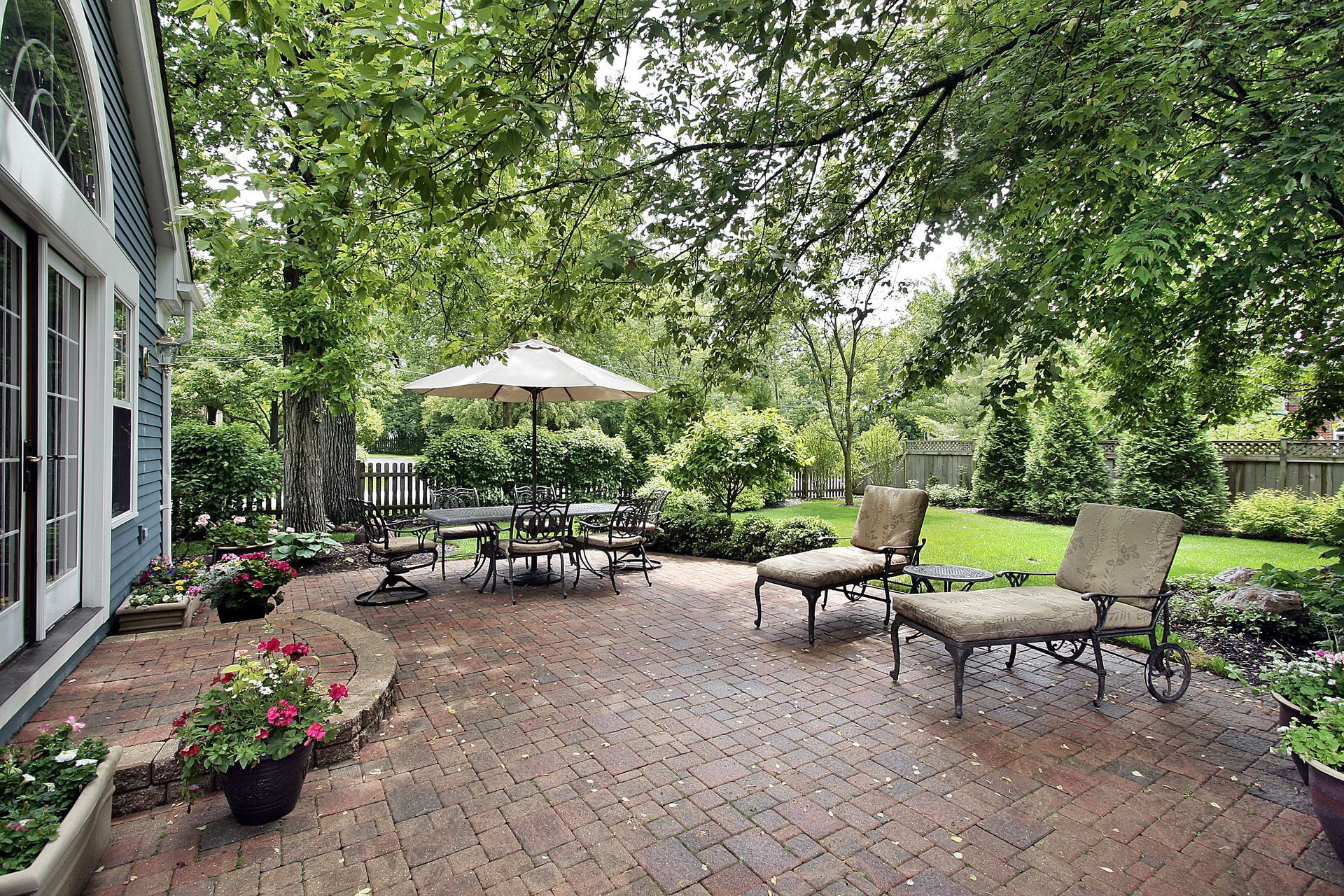
The decor and furnishings of outdoor spaces are pivotal in defining the comfort and style of the area, evolving to meet demands for versatility and resilience. Weather-resistant and multifunctional furniture has become a staple, with materials like teak, aluminum, and weatherproof wicker leading the trends. Additionally, outdoor fabrics offer colorfastness and durability, allowing for vibrant expression without compromising functionality. Trends also embrace comfort-enhancing elements such as plush outdoor sofas, fire pits, and integrated lighting systems. These elements create inviting atmospheres where occupants can relax and entertain comfortably year-round.
Technology integration is another significant trend, enhancing outdoor comfort and usability through innovations like smart lighting, climate control, and audio-visual systems. Intelligent home systems extend to outdoor spaces, enabling customized environments with just a touch of a button. Waterproof technology facilitates the use of devices in outdoor settings, broadening the functionality of these areas. Wind and sun sensors, automated awnings, and smart irrigation systems highlight how technology can provide convenience and efficient resource management. These innovations offer a new dimension of comfort, allowing homeowners to tailor their outdoor experiences precisely to their desires. Be sure to reach out to Patio Builders today to learn more about our professional patio contractors!